

What Is Flash Freezing?
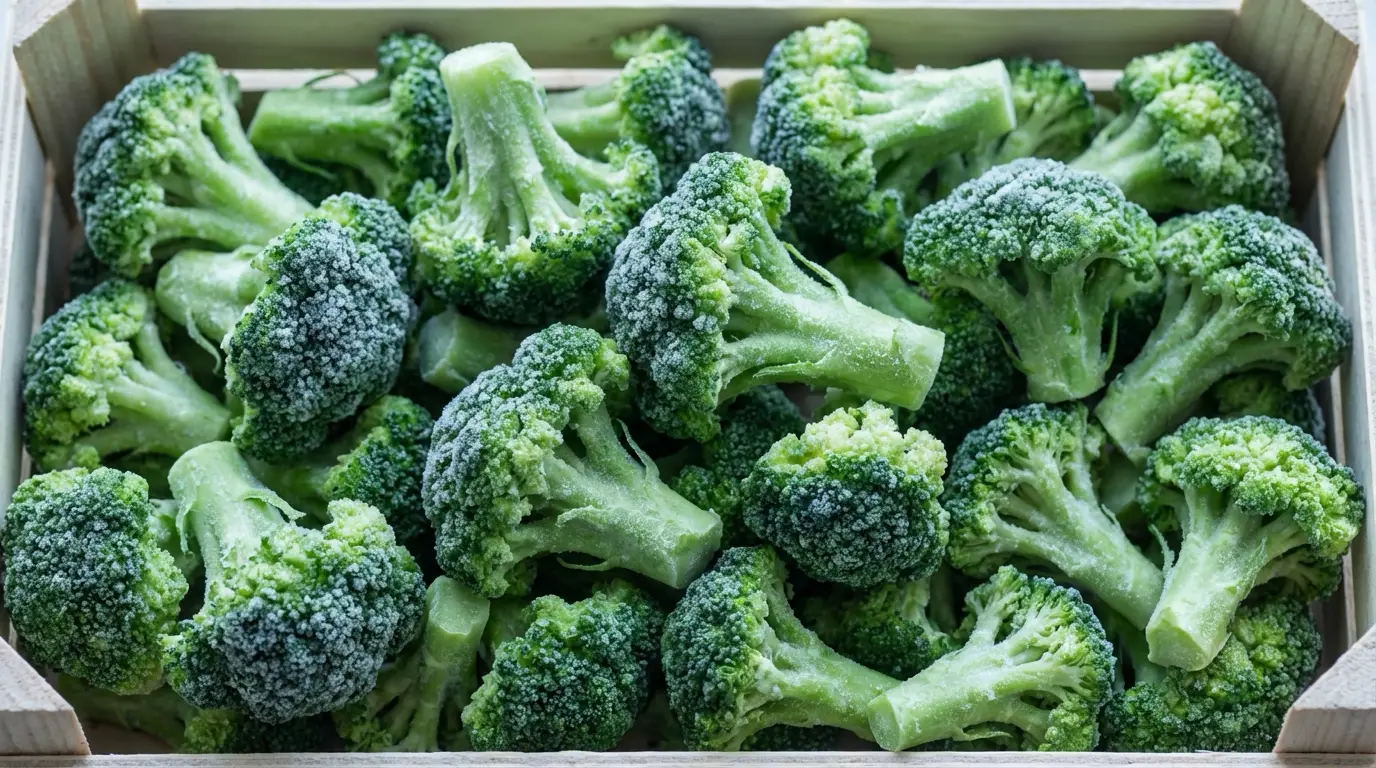
Flash freezing, also called individual quick freezing (IQF), exposes food to extremely cold air so that tiny ice crystals form quickly and preserve cell structure. Unlike slow freezing, IQF freezes each piece separately, preventing clumping and protecting texture, taste and nutrition.
Nutrients Locked In at Their Peak
Fresh produce is often harvested unripe and loses vitamins during transport and storage. In contrast, flash-frozen fruits and vegetables are picked at peak ripeness and frozen within hours, helping retain vitamins and minerals. Studies show that certain frozen vegetables, such as peas, can retain significantly more vitamin C than fresh varieties after a week. Research comparing fresh and frozen options consistently finds that frozen produce matches or even exceeds fresh produce in nutrients like vitamin C, riboflavin, vitamin E, fibre and essential minerals.
Convenience for Busy Households
Frozen foods remove much of the work involved in meal preparation. Many fruits and vegetables come washed, cleaned and chopped, ready to steam or add directly to meals. Frozen ingredients also offer a complete meal solution when combining proteins, vegetables and carbohydrates. For households cooking several times per week, this convenience saves time and simplifies healthy eating.
Freezers also make seasonal ingredients available year-round, supporting a varied diet even when certain foods are out of season. Many people now use frozen foods multiple times per week as part of their regular cooking routine.
Cutting Food Waste and Saving Money
Flash-frozen foods extend shelf life without preservatives and let households thaw only what they need. This significantly reduces food waste — a major issue in many regions — and helps families save money by avoiding spoiled produce. Frozen items are often pre-portioned, allowing people to manage serving sizes, reduce leftovers and make fewer shopping trips.
Variety, Quality and Dietary Diversity
The frozen aisle now offers a broad range of vegetables, fruits, seafood, meats and ready-to-cook meals. Because flash freezing forms small ice crystals, cell structure and flavour are well preserved, and proteins like fish or chicken often retain excellent texture once cooked. Pre-portioned packs support mindful eating and are especially useful for smaller households.
Sustainable Food Systems
Using frozen food contributes to a more sustainable food system. Stocking up during peak harvest seasons helps lower demand for out-of-season produce grown in energy-intensive environments or transported long distances. Because flash freezing usually occurs close to where crops are harvested, it can also help reduce transport emissions in the supply chain.
Individual Actions for Sustainability
Portion out only what you need so unused ingredients can return to the freezer, reducing both waste and cost. Choose plain frozen produce without added sugar, salt or sauces for better nutrition and a smaller environmental footprint. Ensuring you have sufficient freezer space also helps you benefit from bulk purchases and seasonal offers.

Tips for Using Flash-Frozen Foods in Daily Cooking
Keep frozen greens, berries, peas, corn and mixed vegetables in stock; they can be added directly to soups, pastas, smoothies or stir-fries. Boost nutrition by mixing thawed spinach into sauces, stirring frozen berries into oatmeal or blending frozen fruit into yoghurt. Incorporate frozen fish, shrimp or chicken as convenient lean-protein options that can often be cooked straight from frozen. Use pre-portioned items to control serving sizes and read labels to avoid unnecessary sodium, sugars and heavy sauces.
Conclusion
Flash-frozen foods are more than a convenience. This technology preserves vitamins, minerals and antioxidants at their peak, providing nutrient-rich ingredients that rival or surpass fresh options. Frozen foods make healthy cooking quicker, support year-round dietary variety and reduce food waste while saving money. By combining flash-frozen foods with fresh and pantry staples, households can enjoy nutritious, affordable and sustainable meals every day.


